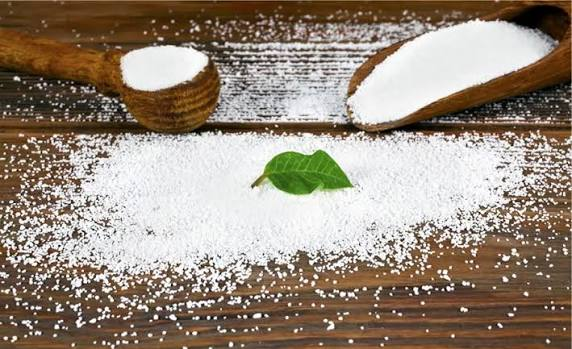
The baking industry continues to evolve as manufacturers, professional bakers, and food businesses look for innovative ingredients that improve product quality while meeting changing consumer preferences. One ingredient gaining attention in modern baking applications is Bakery-Specific Compound Sweetener. Designed to support the unique requirements of baked goods, this type of sweetening solution offers an alternative to relying entirely on traditional sugar.
From cakes and cookies to pastries, muffins, bread, and other bakery products, sweeteners play an important role in determining flavor, texture, color, and overall product quality. However, choosing the right sweetener can be challenging because different baking applications require different ingredient properties. Bakery-specific compound sweeteners are developed to address these requirements by combining selected sweetening ingredients into a formulation suitable for particular bakery applications.
What Is a Bakery-Specific Compound Sweetener?
A bakery-specific compound sweetener is a specially formulated sweetening ingredient designed for use in baked food products. Unlike basic sweeteners that primarily provide sweetness, compound formulations may combine multiple ingredients to achieve a more balanced performance during mixing, baking, cooling, and storage.
Depending on the formulation, these compounds may include high-intensity sweeteners, bulk ingredients, sugar alternatives, or functional components that help improve sweetness balance and product characteristics.
The main purpose is to provide food manufacturers with a practical sweetening solution that meets the technical requirements of different baked goods. Formulations can be adjusted according to the desired sweetness level, baking temperature, moisture content, texture, and final product specifications.
Why Bakery Manufacturers Need Specialized Sweetening Solutions
Traditional sugar performs several functions beyond providing sweetness. It contributes to browning, moisture retention, tenderness, structure, and flavor development. Simply replacing sugar with another sweetener may therefore change the final product.
Bakery-specific compound sweeteners help manufacturers approach these challenges through carefully selected ingredient combinations.
For example, a sweetener designed for cookies may require different functional properties from one intended for sponge cakes. Similarly, products such as muffins, biscuits, and pastries have different texture and moisture requirements.
Specialized formulations allow manufacturers to select ingredients according to their production processes and product expectations. This can make product development more efficient while helping maintain consistent quality.
Important Applications of Bakery-Specific Compound Sweeteners
One of the biggest advantages of specialized sweetening formulations is their flexibility across different bakery categories.
1. Cakes and Sponge Products
Cakes require a balanced combination of sweetness, moisture, volume, and softness. Sugar contributes to several of these characteristics by influencing aeration, batter structure, and browning.
A bakery-specific compound sweetener can be developed to support the sweetness requirements of cake formulations while considering the functional properties needed for a satisfactory finished product.
Manufacturers developing reduced-sugar cakes should evaluate how the replacement ingredients affect batter viscosity, cake volume, crumb softness, and shelf life.
2. Cookies and Biscuits
Cookies and biscuits depend heavily on ingredient balance. Sugar influences spreading, crispness, color, moisture, and overall texture.
Different cookie varieties require different characteristics. Soft cookies need a different moisture balance from crispy biscuits. Consequently, compound sweetener formulations should be selected according to the intended product.
Specialized sweetening systems can help manufacturers develop recipes with controlled sweetness while maintaining desirable texture and appearance.
3. Muffins and Bakery Snacks
Muffins and sweet bakery snacks are popular because they offer convenience and variety. Manufacturers often experiment with different flavors, ingredients, and nutritional profiles to attract customers.
A suitable compound sweetener can help create balanced sweetness in muffin and snack formulations. However, recipe testing remains essential to determine its effect on moisture, crumb structure, and baking performance.
4. Pastries and Sweet Baked Goods
Pastries require careful ingredient selection because their texture and flavor depend on the interaction between fats, flour, moisture, and sweetening ingredients.
Bakery-specific compound sweeteners can be formulated for particular pastry applications, helping manufacturers achieve their desired sweetness profile.
They may also be useful in developing specialty bakery products where conventional sugar levels need to be adjusted.
5. Bread and Sweet Rolls
Although many traditional bread products contain relatively little sugar, sweet rolls, flavored breads, and enriched bakery products often require additional sweetness.
Specialized sweetener blends can provide the desired sweetness while allowing manufacturers to consider fermentation, browning, and dough characteristics.
The suitability of a particular formulation depends on its ingredients and interaction with yeast and other dough components.
Key Benefits of Bakery-Specific Compound Sweeteners
Specialized sweetening solutions offer several potential advantages for commercial bakeries and food manufacturers.
Improved Formulation Flexibility
Different bakery products have different ingredient requirements. Compound sweeteners allow manufacturers to select formulations according to specific applications rather than depending on one sweetening ingredient for every product.
This flexibility is valuable for businesses producing multiple bakery categories.
Consistent Sweetness
Maintaining consistent sweetness is important for customer satisfaction. Changes in ingredient suppliers, production conditions, or recipes can affect the final taste.
A standardized compound sweetener can help manufacturers achieve more predictable sweetness when it is properly measured and incorporated into a controlled production process.
Support for Reduced-Sugar Product Development
Consumer interest in products with reduced sugar has encouraged manufacturers to explore alternative sweetening ingredients.
Bakery-specific compound sweeteners may support these product development goals by combining different sweetening components. However, reducing sugar requires more than replacing its sweetness because sugar also contributes to texture, volume, moisture, and browning.
Manufacturers should conduct formulation trials before introducing reduced-sugar products commercially.
Better Application-Specific Performance
A specialized formulation can be developed for the requirements of particular bakery products. This can simplify ingredient selection and help manufacturers focus on important product characteristics.
For example, a formulation intended for cookies may prioritize spreading and crispness, while one for cakes may require greater attention to crumb structure and moisture.
Production Efficiency
Using a pre-developed compound sweetener may reduce the need for manufacturers to combine several sweetening ingredients individually.
When the formulation is suitable for the application, this can simplify ingredient handling, weighing, and production planning.
Factors to Consider When Selecting a Compound Sweetener
Choosing the right bakery-specific compound sweetener requires careful evaluation. Not every formulation will perform equally well in every recipe.
Sweetness Profile: The sweetener should provide an appropriate sweetness level without producing unwanted aftertaste or flavor imbalance.
Heat Stability: Baking involves exposure to elevated temperatures. Manufacturers should confirm that the selected ingredients maintain suitable sweetness and stability under the intended baking conditions.
Texture and Structure: Sweeteners can influence moisture retention, softness, crispness, spreading, and volume. Their impact should be evaluated through practical baking trials.
Ingredient Compatibility: The formulation should work effectively with flour, fats, milk ingredients, leavening agents, flavors, and other recipe components.
Solubility and Mixing: Ingredients should disperse appropriately within the production process to avoid uneven sweetness or unwanted texture differences.
Regulatory Compliance: Food manufacturers must check ingredient approvals, labeling requirements, usage limits, and relevant food safety regulations in their target markets.
How to Use Bakery-Specific Compound Sweeteners Effectively
Successful implementation begins with understanding the original recipe and the purpose of the sweetener replacement.
First, identify the bakery product and determine the desired sweetness level. Next, review the compound sweetener’s technical specifications, including its recommended dosage, ingredients, heat stability, and application guidance.
Conduct small-scale trials before changing the full production recipe. During testing, evaluate important characteristics such as flavor, color, texture, moisture, volume, and baking consistency.
For reduced-sugar applications, manufacturers should also consider whether additional ingredients are needed to replace the structural and functional contributions of sugar.
Once a suitable formulation is identified, document the recipe and establish standardized production procedures. Regular quality checks can help maintain consistent results across different production batches.
The Growing Demand for Innovative Bakery Ingredients
Modern consumers have increasingly diverse expectations when purchasing bakery products. Some prefer traditional flavors, while others look for reduced-sugar options, specialty recipes, or products made with alternative ingredients.
This changing demand creates opportunities for bakery manufacturers to develop new formulations and expand their product ranges.
Ingredient innovation is an important part of this process. Bakery-specific compound sweeteners provide manufacturers with another tool for adjusting sweetness and exploring different product concepts.
As food technology advances, ingredient suppliers may continue developing specialized sweetening systems that offer improved functionality, stability, and application-specific performance.
Conclusion
Bakery-specific compound sweetener is an important ingredient solution for manufacturers seeking greater flexibility in modern baking applications. Its ability to combine selected sweetening components into specialized formulations makes it useful for cakes, cookies, biscuits, muffins, pastries, and sweet bread products.
By selecting the right formulation, evaluating ingredient compatibility, and conducting proper baking trials, manufacturers can develop products with balanced sweetness and desirable quality characteristics.
As the bakery industry continues to respond to changing consumer preferences, specialized sweetening solutions are likely to remain valuable tools in product development. Understanding their applications, benefits, and limitations can help bakeries make better ingredient decisions and create products that meet both production requirements and customer expectations.