
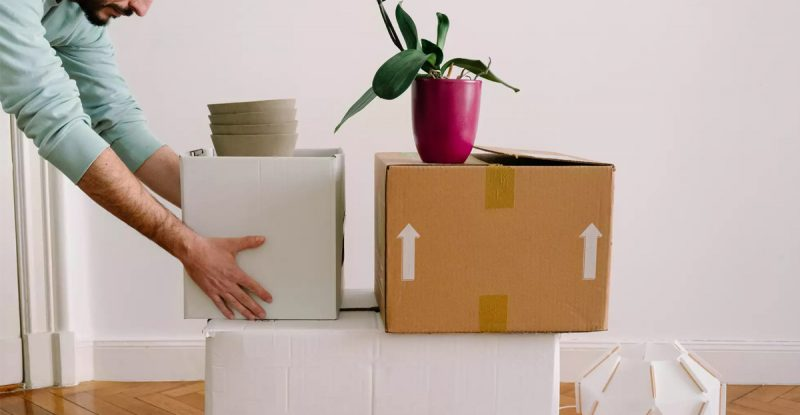
The kitchen is often one of the most challenging rooms to pack during a move. With fragile dishes, glassware, small appliances, cookware, and pantry items, it requires careful planning and the right packing techniques. Packing your kitchen properly helps prevent damage, keeps everything organized, and makes unpacking in your new home much easier.
Many homeowners rely on a professional Flyttfirma Göteborg to handle their relocation, but using expert packing methods yourself can make a significant difference. By organizing items strategically and using quality packing materials, you can protect your kitchen essentials throughout the move.
Declutter Before You Pack
Before placing anything into boxes, sort through your kitchen cabinets and drawers.
Separate items into categories:
- Keep
- Donate
- Sell
- Recycle
- Dispose
Throw away expired food, damaged utensils, and items you no longer use. Moving fewer belongings saves time and reduces transportation costs.
Gather the Right Packing Supplies
Using proper materials is essential for protecting fragile kitchen items.
You’ll need:
- Sturdy moving boxes
- Dish pack boxes
- Bubble wrap
- Packing paper
- Packing tape
- Foam sheets
- Permanent markers
Investing in quality supplies can help prevent costly breakages.
Pack Plates Correctly
Plates should never be stacked flat inside a moving box.
Instead:
- Wrap each plate individually.
- Pack them vertically like records.
- Fill empty spaces with packing paper.
This method reduces pressure on the plates and lowers the risk of cracks.
Protect Glassware
Glasses, mugs, and cups require extra attention.
Wrap each piece separately with packing paper or bubble wrap and place them upright inside the box. Use dividers if available, and add cushioning between every item.
Clearly label these boxes as Fragile.
Organize Pots and Pans
Pots and pans are durable but can scratch each other during transport.
Stack similar-sized cookware together and place soft cloths or packing paper between them to protect surfaces. Lids should be wrapped separately to avoid damage.
Pack Small Appliances Safely
Whenever possible, use the original packaging for appliances such as:
- Coffee makers
- Blenders
- Toasters
- Air fryers
- Mixers
If the original boxes aren’t available, wrap appliances with bubble wrap and pack them securely in sturdy cartons.
Handle Pantry Items Carefully
Use up as much food as possible before moving day.
Pack unopened pantry items in smaller boxes and seal any containers that could leak. Avoid transporting perishable foods unless absolutely necessary.
Label Every Box
Proper labeling makes unpacking much easier.
Each box should include:
- Kitchen
- Contents
- Fragile (if applicable)
- Open First (for essential items)
Clear labels help movers place boxes in the correct room and allow you to find important kitchen supplies quickly.
Pack an Essentials Kitchen Box
Prepare one separate box with items you’ll need immediately after arriving.
Include:
- Plates and cups
- Basic utensils
- Coffee or tea supplies
- Paper towels
- Dish soap
- Sponge
- Snacks
Keeping these essentials accessible makes your first day in the new home much more comfortable.
Final Thoughts
Packing your kitchen like a professional starts with careful planning, quality packing materials, and smart organization. By decluttering first, wrapping fragile items individually, packing cookware properly, and labeling every box clearly, you can protect your kitchen belongings and make unpacking much more efficient. With the right approach, one of the most difficult rooms to pack can become one of the easiest to organize in your new home.
